
Motus Network
The Motus Network is a collaborative international research network that uses automated radio-telemetry receivers that are deployed throughout North America and the world. This network of receivers can track the movement of tagged animals as small as butterflies and dragonflies, although it is most often used to track migrating birds. Each animal carries a radio tag that emits a unique signal to the receivers and allows those individuals to be tracked.
While Motus receivers have been deployed throughout North America and the world, some regions have much greater coverage than others. The Northern Great Plains has particularly poor coverage. The Friends of the MNRR have contributed funding to the University of South Dakota to support a project to deploy Motus receivers at several sites along the Missouri National Recreational River.
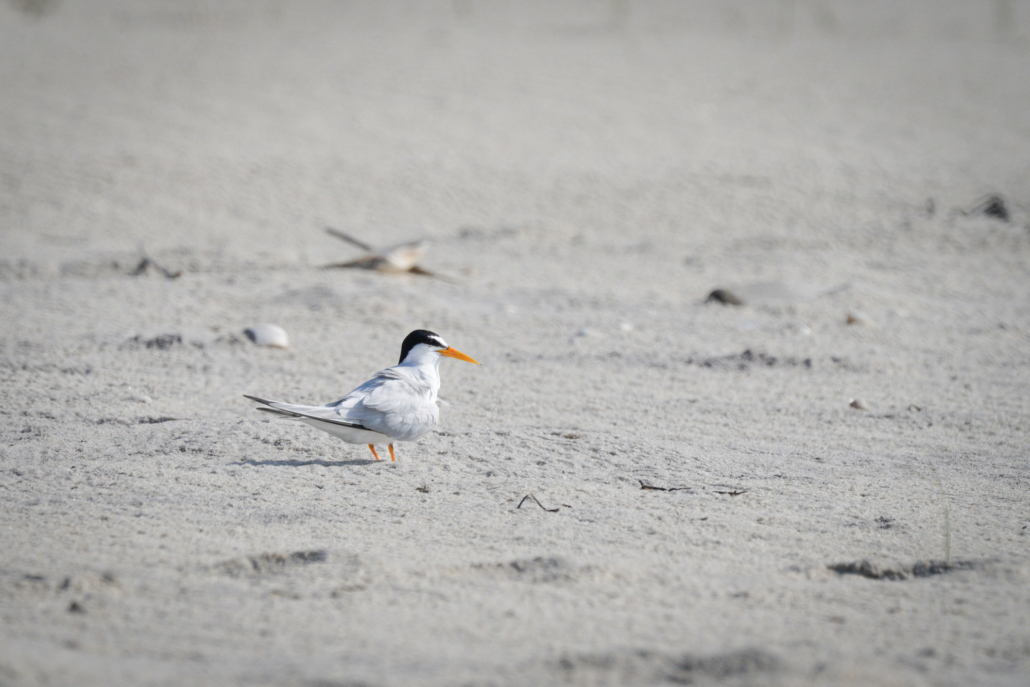
These receivers initially serve as part of a study to track Interior Least Terns—a shorebird species that was previously listed as endangered. Following this initial study, the Motus receivers will remain at the locations where they are deployed to build permanent infrastructure for tracking animal movements along the Missouri River.
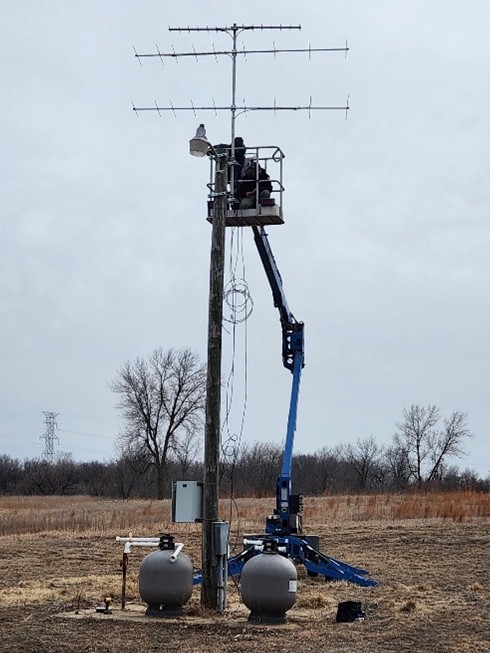
The Friends of the MNRR have contributed funding to the University of South Dakota to support a project to deploy Motus receivers at several sites along the Missouri National Recreational River.